The demand for pasture-raised pork from small farms is rapidly increasing among consumers seeking healthier and more sustainable dietary choices. Unlike conventional pork, pasture-raised pork is renowned for its superior nutrient density and rich flavour. In this article, I delve into the reasons why pasture-raised pork from small farms is a more nutrient-dense product than its grocery store counterparts.
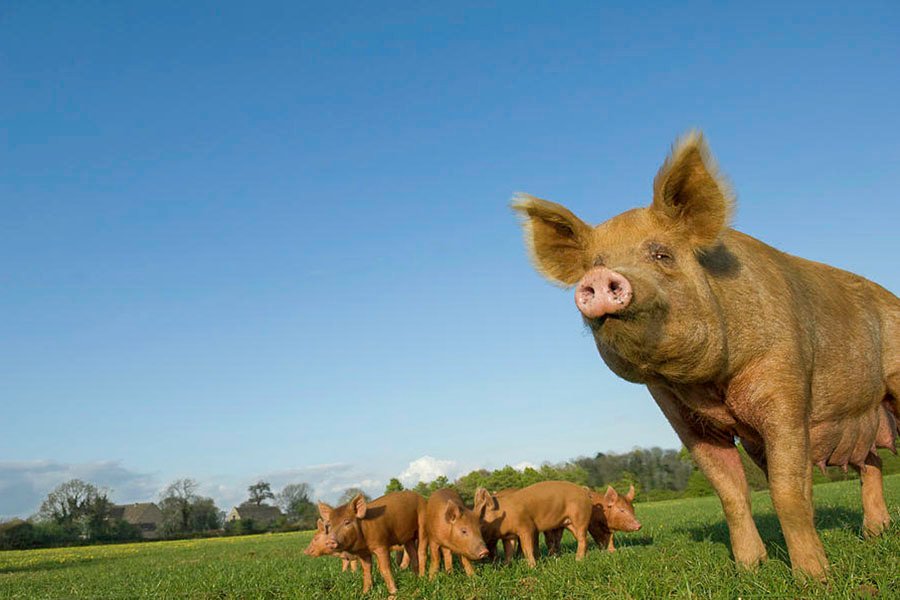
What sets pasture-raised pork apart? Pasture-raised pork refers to pigs raised on small farms with access to pasture and can forage for their own food. This environment, as well as the use of heritage breeds, distinguishes it from conventionally raised pork. The pigs are not confined but are free to roam, root, and play in larger paddocks, mimicking a more natural outdoor setting. This contrasts with the stressful confinement experienced by conventionally raised pigs, which can lead to various forms of fighting and stress-related behaviours.
When it comes to health, pasture-raised pork is a winner. It provides a conducive environment for achieving several key benefits that contribute to its superior nutrient density. For instance, it’s been found to contain significantly higher levels of omega-3 fatty acids, which are essential for brain function and reducing inflammation, compared to conventionally raised pork. Moreover, pasture-raised pork is a rich source of vitamins and minerals, including vitamin E, vitamin B6, thiamin, iron, zinc, and potassium, thanks to the pigs’ natural foraging behaviour and varied diet.
But it’s not just about the pork. It’s about the bigger picture. By supporting small, sustainable farms, we’re making a difference. These farms prioritise ethical and sustainable farming practices, benefiting both the animals and the environment. So, when you choose to purchase pasture-raised pork, you’re not just enjoying its nutritional benefits. You’re also supporting these farms and promoting a more sustainable food system. It’s a win-win situation.