When you’re in the market for grass-fed beef, it’s important to know how the farms operate. For example, if you’re buying from a farmer’s market, inquire about the use of hormones or antibiotics on the cows and whether their grass or greens are organic. If you’re buying from a store, check the brand’s website for similar information.
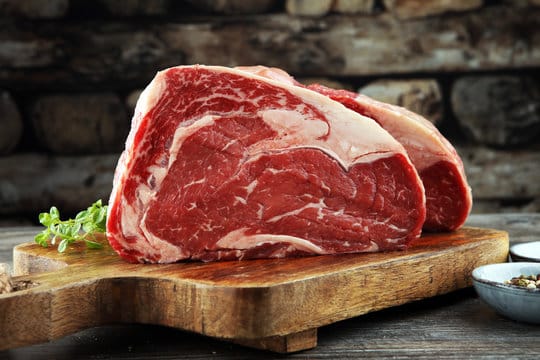
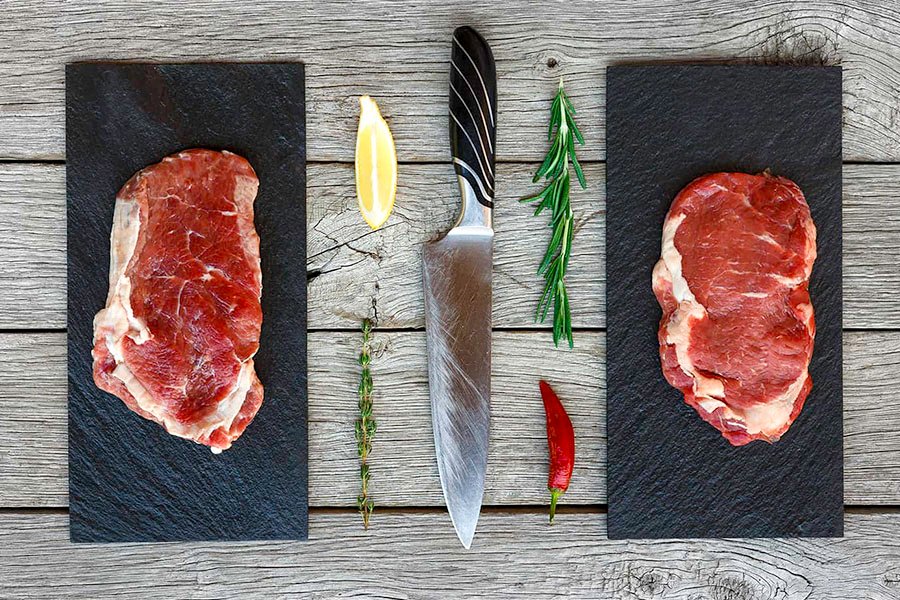
Whether you’re opting for grass-fed or grain-fed beef, lean meats are the best choice. Look for cuts labelled loin or round, as they tend to be the leanest. Beef sirloin, flat-iron steak, and lean ground beef are also good options, and extra lean ground beef is the healthiest choice for dishes like hamburgers and meatloaf.
Moderation is key when it comes to consuming beef. It’s recommended to limit red meat consumption to 455g of cooked lean red meat (equivalent to 600-700g raw) each week. This translates to a small 65g serving each day or a larger portion 3-4 times per week.
When preparing beef, consider pairing it with nutrient-rich whole foods. Instead of the traditional burger with cheese and bacon on a white flour bun, try wrapping the meat in romaine leaves and topping it with tomato, red onion, and avocado. Serve it with additional veggies and a healthy starch like black beans or a baked sweet potato for a balanced meal.